

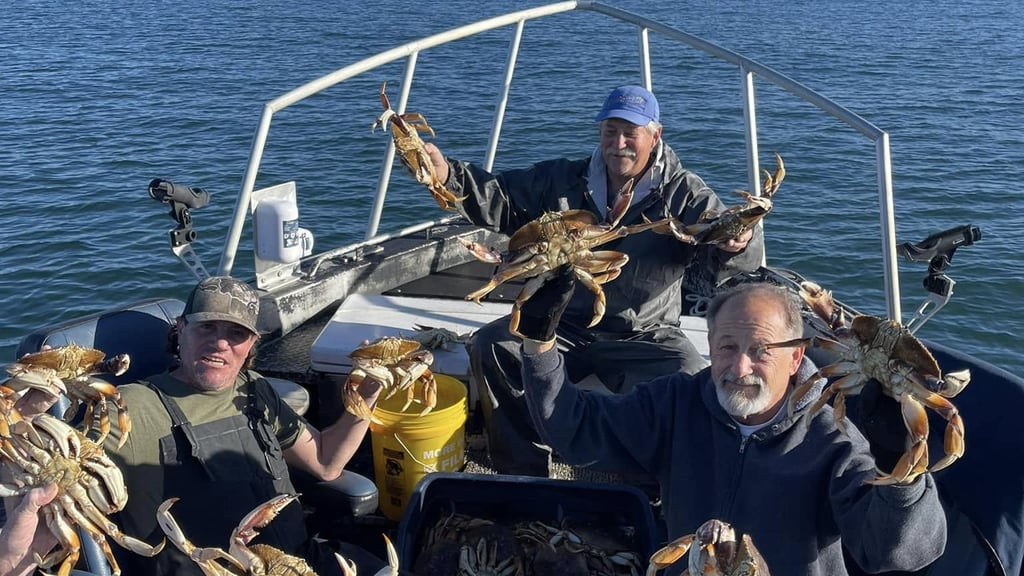
Dungeness crab are a prized catch along the Oregon Coast, especially near Astoria and the lower Columbia River. For visitors, a guided crabbing trip offers a hands-on way to experience local seafood harvesting. Understanding the process and what to expect helps guests prepare for a safe and enjoyable outing.
How Dungeness Crabbing Works
Guided Dungeness Crabbing Trips typically start with a briefing on equipment and safety. Guests help bait and set crab pots in productive areas, often in the estuary or near river channels. After allowing time for the pots to soak, the group returns to pull them up and sort the catch. Guides explain how to identify legal-size crabs and demonstrate safe handling techniques. All necessary gear is provided, and guides ensure everyone follows local regulations.
Seasonal Timing and Conditions
Dungeness crabbing is available year-round in Oregon, but the best conditions are usually from late fall through early summer. Cooler water temperatures and calm tides improve catch rates. Local guides monitor tides and crab movement to choose the best locations each day. Weather and river conditions can affect the trip, so dressing in layers and bringing rain gear is recommended.
What to Expect on Your Trip
A typical trip lasts several hours and is suitable for families and groups of all ages. Guests participate in every step, from setting pots to sorting and cleaning the catch. Many trips include the option to cook and enjoy fresh crab after returning to shore. Guides share tips on preparing and storing your catch for the trip home. The experience is both educational and rewarding, offering a memorable taste of the Oregon Coast.
Dungeness crabbing is a unique way to connect with the coastal environment and enjoy fresh seafood. With guidance from a local expert, visitors can safely participate and learn about sustainable harvesting. For more details on planning your outing, visit the Dungeness Crabbing Trips page.